Hysterectomy (Uterus removal)
Advanced, Minimally Invasive Surgery for Uterine Conditions
A hysterectomy is a surgical procedure involving the removal of the uterus and, in certain cases, the cervix, fallopian tubes, and/or ovaries. This operation may be necessary to treat a range of gynecological conditions that are unresponsive to conservative medical management.
Patients benefit from the latest minimally invasive techniques that prioritize safety, reduced recovery time, and preservation of surrounding anatomy.
What is a Hysterectomy?
A hysterectomy eliminates the uterus, thereby stopping menstruation and eliminating the ability to conceive. Depending on the clinical indication, the procedure may also include removal of:
• Cervix (total hysterectomy)
• One or both ovaries (oophorectomy)
• Fallopian tubes (salpingectomy)
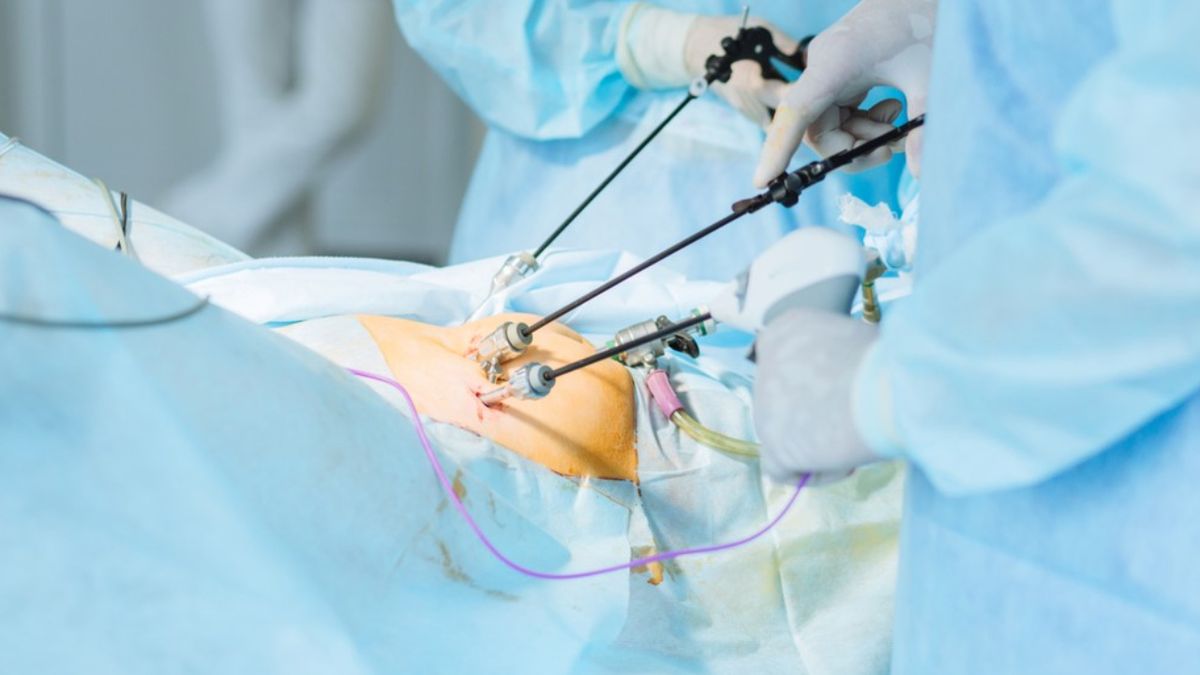
Minimally invasive approaches-such as laparoscopic and robotic hysterectomy-offer reduced surgical trauma, faster healing, and better cosmetic outcomes compared to traditional open surgery.
Indications for Hysterectomy
Hysterectomy may be recommended for managing:
• Uterine fibroids causing heavy bleeding, pain, or pressure symptoms
• Endometriosis not controlled by medical therapy
• Adenomyosis (thickening of uterine wall)
• Chronic pelvic pain
• Abnormal or refractory uterine bleeding
• Gynecologic cancers (uterine, cervical, or ovarian)
• Uterine prolapse (descent of uterus into the vaginal canal)
Each patient is evaluated comprehensively to determine if surgery is the most appropriate course of action.
Types of Hysterectomy Procedures- depending on route of surgery
The choice of procedure depends on the underlying diagnosis, patient’s anatomy, and reproductive goals:
1. Abdominal Hysterectomy – Removal of the uterus and cervix through an abdominal incision
2. Radical Hysterectomy – Removal of uterus, cervix, upper vagina, and surrounding tissues (typically for malignancy)
3. Laparoscopic / Robotic Hysterectomy – Performed via small incisions using advanced technology
4. Vaginal Hysterectomy – Removal through the vaginal canal, leaving no visible scars
Types of Hysterectomy Approaches
1. Abdominal Hysterectomy
An abdominal hysterectomy involves removal of the uterus through an incision made in the lower abdomen. This approach is typically recommended in the following scenarios:
• Large uterine fibroids
- Significantly enlarged uterus
• Extensive endometriosis
● Pelvic adhesions
• Prior abdominal surgeries
• Suspicion of advanced malignancy or complex gynecologic pathology
Benefits:
• Direct access to pelvic structures
• Suitable for complex or advanced cases
Recovery:
• Hospital stay: 2–3 days
• Full recovery: 4–6 weeks
- Vaginal Hysterectomy
A vaginal hysterectomy involves removal of the uterus through the vaginal canal without any external incisions. This minimally invasive option is ideal for:
• Uterine prolapse
• Small to normal-sized uterus
• Non-cancerous uterine conditions
Benefits:
• No visible scars
• Less postoperative discomfort
• Shorter hospital stay
• Faster return to normal activities
Recovery:
• Most patients resume light activities within 2–3 weeks
Advantages of Laparoscopic / Robotic Hysterectomy
• Significantly less post-operative pain
• Minimal blood loss
• Reduced hospital stay (often 48-72 hours)
• Smaller incisions with minimal scarring
• Faster return to daily activities
• Lower risk of infection and complications
These benefits translate into improved patient satisfaction and quicker overall recovery.
Postoperative Recovery and Follow-Up Care
Following a minimally invasive hysterectomy:
• Most patients resume light activities within a week
• Full recovery typically occurs in 2-3 weeks
• Comprehensive discharge and recovery instructions are provided
• Follow-up includes wound check, hormonal evaluation and emotional support
We focus on complete post-operative care, addressing not only physical recovery but also emotional well-being, patient education, and long-term gynecologic health.
Patients are supported through every stage of recovery with a structured care plan:
• Early mobilization and activity encouraged for faster healing
• Pain control and wound care managed closely
• Scheduled follow-ups to monitor healing and address concerns
• Long-term support focused on hormonal health, if applicable