
Abnormal Uterine Bleeding (Menorrhagia) Treatment
Heavy or prolonged menstrual bleeding can interfere with your daily life, cause fatigue, and may even lead to anemia. We provide comprehensive evaluation and advanced treatment options for women experiencing severe menstrual bleeding (menorrhagia) – helping you regain comfort, energy, and control over your life.
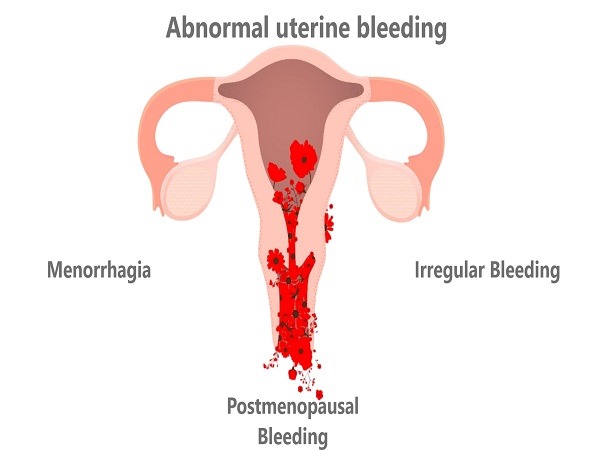
Understanding Severe Menstrual Bleeding
Severe menstrual bleeding, medically known as menorrhagia, is characterized by unusually heavy or extended periods. It may involve:
• Soaking through sanitary pads or tampons every hour for several hours
• Passing large blood clots
• Weakness, fatigue, dizziness, or shortness of breath due to blood loss
While occasional heavy bleeding may not always indicate a problem, consistent or severe cases require medical evaluation to rule out underlying causes.
Common Causes of Heavy Periods
• Uterine fibroids or polyps
• Hormonal imbalances (estrogen-progesterone imbalance)
• Adenomyosis or endometriosis
• Pelvic infections
• Thyroid disorders
• Bleeding disorders
• Side effects of IUDs or certain medications
Diagnosis
• Pelvic examination
• Ultrasound or transvaginal scan
• Hysteroscopy (for direct visualization of the uterus)
• Hormonal and blood tests
Treatment Options
The treatment is tailored to patient’s condition, reproductive goals, and comfort. Options include both medical and minimally invasive surgical approaches such as:
1. Medical Management
• Hormonal therapy (oral contraceptives, progesterone therapy)
• Non-hormonal medications (tranexamic acid, NSAIDs)
• Iron supplements for anemia management
2. Minimally Invasive Surgical Treatments
• Hysteroscopic Polypectomy / – removal of polyps
- Hysteroscopic/ Laproscopic Myomectomy-removal of fibroids
• Endometrial Ablation – reducing or removing the uterine lining
• TLH – for fibroids, endometriosis, or adenomyosis
• Robotic Surgery – precise, scar-minimizing procedures for complex cases
● Radical hysterectomies- gynaecological malignancies
When to Consult a Doctor
You should seek immediate evaluation if:
• The Periods last longer than a week
• You experience severe cramps, dizziness, or fatigue
• You notice irregular bleeding between cycles or after menopause
Early diagnosis and treatment can prevent complications and restore your quality of life.