Diagnostic/ Operative Hysteroscopy
Precision Evaluation and Treatment of Uterine Conditions
Diagnostic and operative hysteroscopy is offered as a minimally invasive solution for the evaluation and treatment of intrauterine pathologies. These procedures are performed with accuracy, minimal discomfort, and a focus on preserving fertility and optimizing reproductive health.
What is Hysteroscopy?
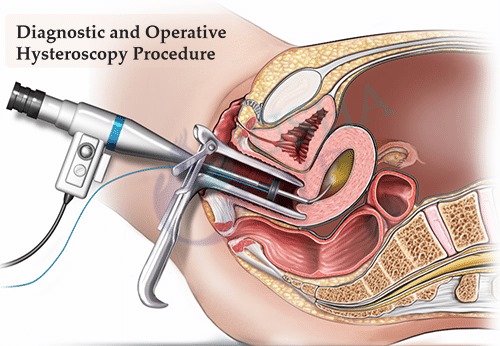
Hysteroscopy is a minimally invasive procedure that involves the insertion of a thin, lighted endoscope (hysteroscope) through the cervix to visualize the uterine cavity. It is both a diagnostic and therapeutic tool that avoids the need for open surgery.
Types:
• Diagnostic Hysteroscopy:
Used to assess for symptoms such as heavy or irregular bleeding, infertility, or recurrent pregnancy loss.
• Operative Hysteroscopy:
Allows surgical correction of conditions identified during the diagnostic phase using specialized instruments introduced through the hysteroscope.
Indications for Hysteroscopy
Hysteroscopy may be recommended for:
• Abnormal uterine bleeding
• Heavy or irregular menstrual cycles
• Postmenopausal bleeding
• Unexplained infertility
• Recurrent miscarriage
• Suspected intrauterine lesions (e.g., fibroids, polyps, adhesions, septum)
Conditions Treated with Operative Hysteroscopy
Operative hysteroscopy allows direct visualisation and treatment of several intrauterine abnormalities, including:
• Submucosal fibroids
• Endometrial polyps
• Uterine septum (congenital anomaly)
• Intrauterine adhesions (Asherman’s syndrome)
• Retained products of conception (RPOC)
• Endometrial thickening requiring biopsy or resection
Procedure Overview
• Performed under local, regional, or general anesthesia, depending on the indication and patient profile.
• The hysteroscope is inserted transvaginally through the cervix, allowing real-time visualization of the uterine cavity on a monitor.
• If a pathology is identified, it can often be treated during the same session using fine operative instruments.
• The procedure typically takes 15–45 minutes and is usually done as a daycare intervention.
Benefits of Hysteroscopy
• Scarless, incision-free procedure
• Minimal discomfort and rapid recovery
• Simultaneous diagnosis and treatment
• Reduced hospital stay and early return to normal activities
• Lower risk of infection compared to traditional surgery
Post-Procedure Recovery and Aftercare
• Mild cramping or light spotting may occur for 24–48 hours.
• Most patients resume regular activity within 1–2 days.
• Follow-up includes clinical assessment, review of histopathology (if applicable), and guidance on further treatment or fertility planning.
Why Choose This Approach?
• Advanced technology for high-definition visualization and precision treatment
• Minimally invasive technique that preserves uterine integrity and fertility
• Short procedural time and quick discharge
• Ideal for both diagnostic and therapeutic management of complex intrauterine conditions