Ovarian Torsion (Twisted Ovary) Treatment in Delhi
Understanding Ovarian Torsion
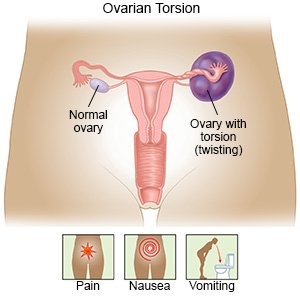
Ovarian torsion is a gynecological emergency characterized by the twisting of the ovary around its supporting ligaments, leading to compromised blood flow to the ovary—and occasionally the adjacent fallopian tube. This vascular obstruction can result in ischemia, causing acute pelvic pain and, if not promptly managed, irreversible damage to the reproductive organs.
Etiology
While ovarian torsion can occur at any age, it predominantly affects women of reproductive age. Common predisposing factors include:
• Ovarian cysts or neoplasms that increase ovarian weight
• Ovarian enlargement secondary to hormonal stimulation or ovulation induction therapies
• Pregnancy
• Elongated ovarian ligaments, more common in younger females
• Pelvic adhesions or scarring from previous surgeries
Clinical Presentation
Symptoms typically manifest abruptly and may include:
• Severe, sharp unilateral lower abdominal or pelvic pain
• Nausea and vomiting
• Abdominal tenderness on palpation
• Fever (generally indicative of prolonged torsion or tissue necrosis)
• Occasional abnormal vaginal bleeding
Urgency: Immediate medical evaluation is critical, as delayed intervention may result in loss of ovarian viability.
Diagnostic Evaluation
A thorough clinical and imaging assessment is essential for timely diagnosis:
• Pelvic Examination: To detect localized tenderness or adnexal mass
• Ultrasound with Doppler: Primary imaging modality assessing ovarian morphology and blood flow
• CT/MRI: Reserved for complex or inconclusive cases to further delineate adnexal pathology
Accurate and prompt diagnosis facilitates ovarian salvage and prevents complications.
Management
Surgical intervention is the definitive treatment, focusing on detorsion and restoration of ovarian perfusion. We employ advanced minimally invasive techniques, including laparoscopic and robotic-assisted surgery, to optimize outcomes.
Laparoscopic Detorsion
• Small incisions allow careful untwisting of the ovary
• Preservation of viable ovarian tissue to maintain fertility potential
• Concurrent cystectomy performed if cysts contribute to torsion
Oophorectomy
• Indicated when the ovary is nonviable due to prolonged ischemia or necrosis
• Removal prevents infection and further complications
Our expertise in minimally invasive surgery ensures reduced postoperative pain, minimal scarring, and expedited recovery.
Postoperative Care and Recovery
• Most patients experience full recovery within days
• Mild pelvic discomfort may persist for 1–2 weeks
• Regular follow-up to monitor ovarian function and prevent recurrence
• Fertility and hormonal function are generally preserved in successfully treated cases